
 Posts
Posts


One great thing about traveling to Nigeria, compared to other countries I spend time in, is that the local newspapers are in English. So one can see what the local people are thinking about and understand the nuances and details I might miss in another language.
I picked up two papers in Abuja on Saturday, March 20th. Here are some of the notable stories from each:
The Weekly Trust
• Why bombings have returned to the Niger Delta
• Pythons invade two communities
• Several Muslims are missing and feared killed in Jose
• Students protested in Jos because they wanted to be able to lynch a man they thought was carrying explosives into their institute. One student was killed when police broke it up. The man thought to be carrying explosives was only carrying cell phone bags
• 18 die in a traffic accident on the way to a man taking his second wife
• A disabled woman has been living in a cart for the past 10 years
• A former minister of defense explains why he yells at officials in the ministry
• Cerebro-spinal meningitis returns to the north of the country
• A celebration of the ideal mother
• Author profile and book reviews
• Hollywood tidbits
• An opinion piece from Atlanta about Jihad Jane
• A kid’s page with puzzle, birthday greetings and a cookie recipe that uses the U.S. measurement system
The Guardian
• The student shot at the university, as well as other violence in Jos, is front-page news. But there is no mention that the dead student was trying to lynch someone.
• “Gang of Achaba Riders Roast Cab Driver in Kano Metropolis.” When a cab driver damaged the back light on a motorcycle, a group of his friends ganged up on the driver, accused him of being a thief, beat him, then set him on fire on top of his car. Under the car, with a photo of the burned out car, a female doctor writes in how horrified she was to witness that crime and that she did nothing to help. “Innocent people are killed every day, people who wake up in the morning like a majority of us with nothing in mind but how to navigate through the rought terrain of existence, feed their families, send their children to school. Even innocent children are not spared in a land where life has become so cheap. Be it in ethnic clashes, religious clashes, in maternity wards, on the road, in our homes while we sleep evil continues to flourish because good men (and women) do nothing. It is time that we think of our roles in the society and what they can do and how best we can do it.”
• A young couple with premature triplets pleads for financial assistance. They cannot afford what it costs to have them in an incubator.
• A U.S. doctor used paper clips for root canals
• In a part of Indonesia, people snack on soil
• On the cover of the Life & Style section is the former head of Administration of the University of Lagos, dressed in an African print dress, round beads and earrings and a red turban. The headline is: Kofoworola: Cool, Calm and Cute…At 60”
• An article on How to be a Successful Wife and Career Woman emphasizes spending a lot of time to look good and recommends not wasting a lot of time on meals that probably won’t be appreciated
• A woman writes how she used a razor blade to make three marks on his “manhood” while he was sleeping, and since then, he’s been faithful to her
• Two short stories
• Articles on sunglasses, high heels and luxury hotels
• Lots of business, politics and sports
I must admit, reading the newspapers on my airplane ride home made me more anxious and nervous about Nigeria than I was when I was there. Newspapers in the U.S. have that effect as well – a reminder of all the terrible and grotesque that exists, without representing the proportional amount of goodness that takes place.
Nevertheless, I liked how thick the papers were – well over 40 pages – and the mixture of news, analysis, opinion, fashion and society, announcements and even short stories. The tendency for mob violence, especially the horrible recent slaughter of women and children with machetes, scares me. But, like elsewhere, I think the majority of the people are good. Those I came across were friendly, optimistic, hardworking, intelligent and kind.
Sunday, March 21, 2010


Monday, January 18, 2010
Easton and the Crayola Factory (and Canal Museum)


Today’s visit was to Easton, Pennsylvania. It’s an intriguing town, with hilly streets, narrow houses and buildings that reflect a rich history. But it’s also clearly down on its luck. It seemed like a good 50% of the storefronts downtown were empty, there were lots of “for sale” sales, and evidence of neglect. The people seemed sad and downtrodden, as though they’d been through a rough time lately. We hadn’t been out of the car for two minutes before a toothless man approached us, asking for change.
In this unlikely place is a fun and unique destination for kids, the Crayola Factory and the attached Canal Museum. Admission includes both attractions. While most seem to go for the Crayola Factory, the Canal Museum is fantastic – very interactive and child oriented. If I had it to do over again, I might have started at the Canal Museum first, then let my son run himself to the point of exhaustion at Crayola. Go on a weekday if you can and try to get there early. When it gets crowded, the need to manage your child among so many others reduces the fun factor.
I can’t say there is a lot to learn at Crayola, certainly not compared to the nearby Davinci. It’s basically a big test center for a wide variety of Crayola products. But it’s bright, friendly and there are lots of artistic opportunities. It was nice for River to be able to run from one project to another and for the parents to not have to clean anything up. I got to see what interested him most (the glow-in-the-dark coloring), which of course led me to the Crayola store to buy him the glow-in-the-dark color pad. At least I knew he’d like it before I bought it.
The Canal Museum does have some good educational elements. Especially the exhibit on the 2nd floor (also a good place to get to early, before a line forms), where each child is given a plastic boat and helped to guide it along a canal and through the locks. The third floor is less hectic than the others and it has several activities that appeal to young children. The opportunity to place panels that guide a boat through a maze is especially fun and thoughtful. This is a smaller, more controlled space, and more relaxing for kids and parents.
For lunch, there is a McDonalds on the premises and a Subway nearby. For more adult food we went to the River Grill, about a block away. They get a lot of Crayola Factory visitors and were very accommodating to kids.
In this unlikely place is a fun and unique destination for kids, the Crayola Factory and the attached Canal Museum. Admission includes both attractions. While most seem to go for the Crayola Factory, the Canal Museum is fantastic – very interactive and child oriented. If I had it to do over again, I might have started at the Canal Museum first, then let my son run himself to the point of exhaustion at Crayola. Go on a weekday if you can and try to get there early. When it gets crowded, the need to manage your child among so many others reduces the fun factor.
I can’t say there is a lot to learn at Crayola, certainly not compared to the nearby Davinci. It’s basically a big test center for a wide variety of Crayola products. But it’s bright, friendly and there are lots of artistic opportunities. It was nice for River to be able to run from one project to another and for the parents to not have to clean anything up. I got to see what interested him most (the glow-in-the-dark coloring), which of course led me to the Crayola store to buy him the glow-in-the-dark color pad. At least I knew he’d like it before I bought it.
The Canal Museum does have some good educational elements. Especially the exhibit on the 2nd floor (also a good place to get to early, before a line forms), where each child is given a plastic boat and helped to guide it along a canal and through the locks. The third floor is less hectic than the others and it has several activities that appeal to young children. The opportunity to place panels that guide a boat through a maze is especially fun and thoughtful. This is a smaller, more controlled space, and more relaxing for kids and parents.
For lunch, there is a McDonalds on the premises and a Subway nearby. For more adult food we went to the River Grill, about a block away. They get a lot of Crayola Factory visitors and were very accommodating to kids.
Sunday, January 17, 2010
Lessons learned from the second day of road trip with toddler

1. Places where kids can run around and touch stuff are priceless.
2. A good nap at the normal time makes things much easier.
3. It’s very easy to fall into an all white-carb all the time diet. Pretzels, pancakes, bread? OK, whatever keeps you happy.
4. My tolerance for Barney music is fairly high (at least compared with my husband’s). But it is not infinite.
5. I have pretty high expectations for a toddler (friends said they didn’t take their toddler out to dinner for four years). Perhaps I should be happy that I can take him out to dinner and not sweat it if he doesn’t behave perfectly.
6. The small moments – jumping together on the bed, singing the ABCs together in the car, exploring a particularly intriguing science exhibit together – are the most special.
The changing definition of what makes a good hotel

I’m sitting on the hard floor of the hotel bathroom waiting for River to take his nap. I’ve been here for well over an hour and it’s just recently become quiet. So I’m hoping he has fallen asleep and will thus be in a good enough mood for us to be able to enjoy dinner with friends tonight. When I was young and poor and adventurous, my idea of a good hotel was someplace really cheap and reasonably safe. If there was free breakfast, that was a bonus. I didn’t care so much about location as I only came to the hotel to crash. I was exploring the rest of the day. When I dated Mark long-distance and we had to meet up in countries located halfway between us, I started to value a little more of the romantic element, as well as privacy. Now, a Jacuzzi was a bonus. Mark wants central location, so I started to get used to being able to walk from the hotel and easily get to all of the local attractions. Now, traveling with a toddler, I’d say location is definitely key. There is a lot more freedom if one is able to walk out the door and see and do things, rather than have to bundle the kid into a car. Now, the big bonus is either an extra room, or a situation in which I can feel safe leaving him alone in the room and hanging out in a pleasant lobby. If neither of those are possible, than a bathroom or a closet sufficiently large enough to put a travel crib in is a bonus. Since I have neither now, the entire room is River’s and I’m relegated to the bathroom floor. Oh well, as long as there is a nap and I have a little bit of quiet time, I guess I’m OK with ceramic tile.
The joy of finding a kid-friendly cafe

We’d had a long napless day. I didn’t get a chance for a real lunch and it was looking like I wouldn’t get dinner either. I didn’t think River would last through a meal.
I went into The Chocolate Café in Lititz. River seemed happy when he came across a selection of life-sized stuffed dogs.
“Are these toys?” I asked an employee, as River pulled them out.
“Yes, and we have some cars and trucks over here,” she said.
She made my day. It was OK for River to play, to roll around on the floor and to be a kid. This meant that we could actually have a meal without the struggle of keeping him in a seat and occupied for an hour.
The waitstaff didn’t seem to mind stepping over stuffed animals, cars or a mobile toddler. The fact that the food was delicious and healthy was a bonus. Thanks to those establishments that make it easier to enjoy a meal and to relax a bit by providing a space for children to be kids.
Science for kids

Today River paid his first visit to a science museum and LOVED it. We went to the DaVinci Science Center in Allentown, PA. We were the first people to arrive when the museum opened at 12, so we initially had the place to ourselves. In the preschool room, River got to put chocolate chunks into pretend cookies and count the pieces. He played with unusual shaped large soft blocks and he got to look at shells under a magnifying glass. He was thrilled to sit on a chair and to experience the backwards motion that happens when two people push their feet against each other. He saw what happens to liquid when it is spun rapidly, he learned how water erodes particles, he watched a ball react to vacuum pressure and he got a close up look at starfish and crabs. He smiled so much in the hour and a half we were there. It was one novel experience after another and he was so enthusiastic he threw a nice tantrum when it was time to leave. This is a great museum in that it’s fairly small, which allows kids to get through the whole place without being overwhelmed, and it really encourages tactile exploration and observation at the child’s pace. The friendly staff posted around the exhibits offer helpful explanations. This is a place I’d like to come back to because I think kids of various ages are able to get different things out of it. For me, it was the highlight of our weekend so far to see my toddler so happy to explore and to learn.
Saturday, January 16, 2010
A visit to Lititz


Because I traveled to Lititz with a toddler, my attention span rather resembled that of a two year old. I enjoyed a close up look at many wolves at the Wolf Sanctuary, but unfortunately didn’t get to the hear much of what the tour guide said. I got to shape dough into a pretzel at Julius Sturgis Pretzel Factory, but didn’t get to finish the tour. I was able to stroll briefly through the town, buying chocolate at Wilbur, feeding the ducks at a local pond, and enjoying the great food at The Chocolate Café, but I left a lot unseen and undone.
Lititz is a charming little town with a rich history and a lot of beautiful buildings that bring the sense of history to life. I hope to be able to return here sometime, with more time and a better ability to pay attention. There is a lot to see and explore.
Taking a roadtrip with a toddler

Lessons I’m learning from day one of roadtrip with toddler:
Toddler may well be psyched to see the wolves, but he will not last beyond a small fraction of a one hour tour.
Time outs in the crib work well at home. But I am struggling with how to discipline while on the road. Especially while out in public on the road. Instead, I take in many disapproving looks when my toddler doesn’t listen to me and I spend much of the day chasing him.
Singing songs together in the car on the way to a destination is very special quality time.
If naptime doesn’t happen, you are screwed, no matter what you do.
Have a supply of water, snacks and Hot Wheels on hand, at all times.
Having a second room is a huge bonus. If that’s not available, a B&B with an attractive lobby is a good substitute.
Free homebaked goods, hot beverages and a Jacuzzi can soothe the stresses of the roughest day.
DO NOT OVERPLAN. Lower expectations. Yes, we’ll see wolves. But no, I won’t be able to actually listen to anything the tour guide says. Many people have pressed me to slow down my pace in the past. Perhaps my toddler will finally force me to change.
It’s a lot of work, it’s tough to not have somebody to hand responsibility over for a little while here and there, but I’m grateful for my buddy and glad to be creating memories with him.
Saturday, October 17, 2009
Touch a Truck Day


What a fun and low-cost way to entertain a lot of kids. Get all the public services and some private companies to loan the use of their vehicle for four hours. Put them all in a parking lot and let little kids get up close to the machinery that fascinates them. For even more effect, have the drivers there in uniform and allow the kids to honk the horn or speak into the police speaker. The handouts of coloring books, crayons, stickers and plastic firefighter or hard hats were a bonus.
We spent $3.50 on a pretzel, but could have gone without spending anything. Our little guy got to sit in a tractor, walk through the back of an ambulance, activate the siren on a police car, see how high a fire ladder or a tree trimmer ladder can extend. I climbed into some machinery with him that I don’t even know what it is called.
At only 22 months old, our son was clearly excited to drive a tractor. I look forward to future years, when he can scamper a bit more onto the vehicles that interest him most. Thanks to the sponsors of this event – it’s a great idea.
Thursday, September 10, 2009
The mysterious chocolate shop

The other day I was driving along a route I don’t usually take, running a bit late to see a friend, when I saw a hand-painted yellow and purple sign on the side of the road, directing me to a chocolate factory outlet. I’m always one to stop for chocolate, especially if it’s discounted. But I didn’t really need chocolate in the morning, and of course, I was running late.
Then came another sign – Chocolate covered blueberries. And other – On sale. Open now. This way.
I conceded and followed the arrows, turning off the road and into a small industrial park. I continued following the areas to the end of the park, where the outlet was located in a non-descript office. I give them credit for the good marketing, because not many people would make it to that place without the helpful arrows.
Inside I could see a wheel spinning and dripping with chocolate. A friendly employee offered me a sample of non-pareils, which were good.
The David Bradley chocolatier outlet looked like a standard chocolate store, though it had some unusual selections, such as chocolate covered potato chips, blueberries and marshmallows. Most items ran $15-16 per pound. The 5 oz rocky road I purchased, a bottlecap-shaped chocolate topped with peanuts and marshmallows, was delicious. An unexpected morning surprise.
Friday, August 14, 2009
Things to pack for Iceland
If you are planning a trip to Iceland, here at a couple of items you might want to have on hand: Conditioner. If you are planning a visit to the Blue Lagoon, the minerals really do a number on your hair. The best prevention is to tie back long hair or even use a swim cap. A heavy-duty conditioner used in the following days should help at least get a comb through it. A set of utensils and a Tupperware container or two. Iceland is big on picnics and facilitates them by placing a picnic table in virtually every beautiful place. That, plus the high cost of eating out and the fact that there may not be many choices when traveling in remote areas means it can be helpful to have some food ready. Binoculars. To spot birds, puffins, whales, porpoises, seals, etc. Layers. It can be hard to imagine 55 degrees in summer when you are sweltering somewhere else. But it is chilly and you’ll probably wear 2-3 layers a day. Long sleeved shirts are a good base, followed by either a lightweight or heavy sweater, then a windproof jacket or shell. A wool cap. This can be easily purchased in Iceland. A towel. Some hotels provide towels that aren’t large enough to wrap around your leg. Others are worn and scratchy. At pools, you have to pay to rent a towel. It’s easiest and cheapest to have your own. A credit card. Everything can be purchased with a credit card, from a soda to a taxi ride. Preferably a credit card that doesn’t charge foreign transaction fees (Capital One is one option). A small computer. If you’ll want access to email on the road, you’ll have an easier time picking up wi-fi with your own computer than you will finding a computer to use.
Thursday, August 13, 2009
The best museums in Iceland


While I didn’t make it to nearly all the museums in Iceland, I did visit quite a few. Here are the ones that stood out:
The Settlement Exhibition in Reykjavik is centered around the remains of a Viking longhouse, dating from 871 plus or minus two years that was located in what is now the city center. It has been artfully preserved and shown, visible from the street through a glass cover. The museum uses multimedia technology to help visitors see what the house was like back in the 800s and how the first settlers in Iceland may have lived.
The Einar Jonsson Museum in Reykjavik is small but really packs a punch. The sculptures are full of emotion and feeling. You can walk amidst his great works, then take a peek upstairs at a few of the rooms from his house.
The National Museum is well worth a visit. It outlines in a clear and interesting fashion the original settlement of Iceland. Just when you get tired of reading, the hands-on exhibits appear, which are fun for kids and adults. Try on clothes from different periods in Icelandic history, or lift the metal of a jacket of armor. You may feel like a relic in the second floor modern history display upon seeing an Atari or a photo machine on display. The museum has a good gift shop, free lockers in the basement and a café.
Folk Museum in Skogar. A top-notch folk museum that allows you to crawl through sod houses, a schoolhouse, church and other village buildings, as well as tour an extensive collection of the implements used in daily life. The adjacent transportation museum (included with admission) shows the early heavy-duty cars to reach Iceland, the appearance of modern appliances and the advent of radio.
The Bustarfell museum is a turf-covered house that was lived in until 1966 and that belonged to the same family for over 400 years. It's an extensive and elaborate layout and very well-maintained. The museum is well-worth a visit, but even better is visiting the attached Croft Café for fresh-baked country cakes and breads.
Petra's Stone Collection (Sunnuhlio; 755 Stodvarfjordur; Tel: 475-8834; petrasveins@simnet.is;) is one of those things you don't expect to like, but it may impress you more than you think. Some may dismiss the vast collection, one of the largest rock collections in the world, arrayed through the home and extensive gardens, as kitsch. Others will appreciate the effect that Petra, now in her 80s, put into assembling one of the world's greatest private rock collection. Either way, it's unlike anything you'll see elsewhere in Iceland and worth a stop if you can make it. There is a picnic table in the garden and comfortable chairs in the sitting room, where you can enjoy tea or coffee.
If you’ve read anything by Icelandic literary superstar Halldor Laxness, it’s fun to visit his home and workplace to see where his creations originated. Admission comes with an audio tour.
Two places I didn’t make it to that are worth mentioning are:
The Witchcraft and Sorcery Museum in Holmavik. Our tour guide recommended this highly. We were sorry to not have time to make it up there.
The Settlement Centre in Borgarnes. We arrived just before closing, so didn’t manage to see it, but it looked like it would be worth a trip.
Monday, August 10, 2009
The festival I must go to someday


We’ve spent the past few days in the Westman Islands – or island, since only one of the 15 is habited. This little place has a lot of interesting sites – puffins, great hiking and the ability to see the effects of a major volcanic eruption that took place only 36 years ago, in 1973.
But the event that has brought people to the Westman Islands for decades is the music festival held every year during the first week of August. We tried to attend, but not only was all the accommodation booked (though camping was available), but all the ferries and planes were full.
It’s a four-day event, which includes one day where people hook up with another partner, one day of bonfire, one day of firecrackers and one day in which a local leader who served time in jail for corruption led everyone in song. For all four days, bands take the stage day and night.
Friends say it can get wild and is primarily for the young. But one middle-aged woman I spoke with on the island said that everyone attends. “It’s good for the parents to be here too and keeping an eye on their kids,” she said.
This year, over 14,000 people attend, increasing the usual population of 4,100 multiple times during a week of festivities. We visited the site of the festival, right next to a beautiful 18-hole golf course (the world’s only golf course on a crater) and it was remarkably clean just one week after the party.
I’d still like to attend. But next time, I’ll book accommodations well in advance, and perhaps I’ll wait until my son is old enough to enjoy it, so that I can join the Icelandic parents keeping an eye on their kids.
Friday, August 07, 2009
Favorite food in Iceland


Due to the high prices in Iceland, I subsisted on groceries more often than usual while traveling. However, I tried to get in at least one local meal per day. Here is where I found the most delicious food:
Vogafjos Café, near Lake Myvatn – The grilled trout portion was large and perfectly seasoned. A sampler meal allows you to taste a variety of smoked meats and fishes with complementary sauces. For a real treat, try the geyser bread, baked in the ground or the creamy, homemade ice cream. Enjoy all this with a view of farmland and the lake and a shed full of cows next door. Open from May to October.
Ensku Husin, just outside Borganes. An 1800s English fishing lodge, restored to its original character in 2007. Each evening, from 7 p.m. to 8:30, the restaurant serves a prix fixe menu. On the night I visited, it included mushroom soup, grilled salmon with potatoes, tomato salad and mashed sweet potato, chocolate cake with ice cream and coffee or tea. The fish was superb and the variety of vegetables in the side dishes unique for Iceland. Exceptionally friendly service and the unique 1800s décor with a view of the river make this a place to experience.
Cakes at Conte’s Café at the Bustarfell turf farm museum – Country cake (made with oats), rhubarb cake, chocolate cake. All are fresh, warm and topped with a mound of whipped cream. This is the place to relax with a hot drink and one of the best desserts you’ll try in Iceland.
FossHotel Baron in Reykjavik. Perhaps the pricey Reyjavik hotels do better, but hands-down, this was the best breakfast I had in Iceland. The waffle iron gets big points, as does the wide selection of meats, cheeses, fruits, breads, cookies, cereals, skyr and toppings.
The Seafood Cellar serves food in its most exquisite form in Reykjavik's oldest stone cellar. Everything is a symphony of flavors, mixed creatively, blended perfectly. It's worth it to cut back for a few days in order to afford the tasting menu. It will be the best meal you eat in Iceland, and perhaps anywhere. Reservations suggested. Open only for dinner.
For a treat from the supermarket, try the marshmallow filling dipped in chocolate and rolled in coconut. Light , fluffy and full of calories, this is an Icelandic treat to take home to the kids.
Soft serve ice cream cones available from gas stations are rich, creamy, delicious and cheap. Skyr can be purchased in single-serve or larger containers from the grocery store.
Whipped cream – Icelanders love their whipped cream and no waffle or dessert is complete without it.
Thursday, August 06, 2009
Favorite accommodations in Iceland
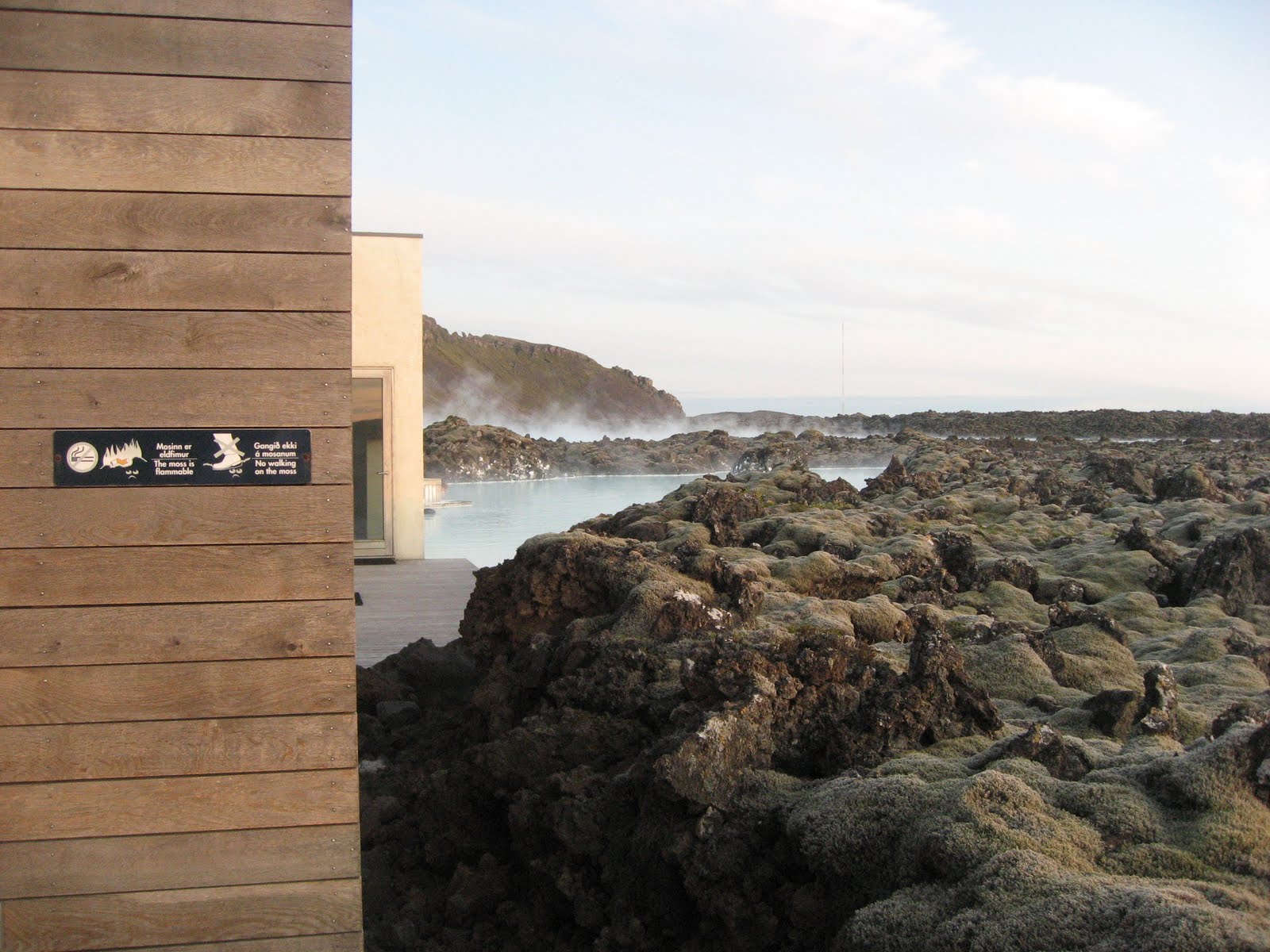

In the time I was in Iceland, I tried out several different types of accommodations, in many different locations. The best, of course, was the time we spent in a private home. But for those looking to book a room, I’ll share my favorites among the places we stayed.
Sydri-Vik (690 Vopnafirdi; Tel: 473-1199; Fax: 473-1449), a member of Icelandic Farm Holidays, has beautiful and quaint red summer cottages, with extra large windows offering amazing views of the nature and the bay. The cottages are cozy and comfortable, with everything a traveler could need - bath, microwave, fridge, kitchen, TV, dining area, sofa and three bedrooms. A patio outside has chairs and a grill and the cottages are just steps from a river. From Egilsstadir, take road 1 for 85 km. Turn right on road 85. God 50 km. Turn right on rd. 917. It's 3 km on the right. If you decide to travel on rd. 917 from rd., be forewarned that there is a large single-laned mountain crossing that would be very difficult in wet or cold weather. The views on this route, however, are stunning.
Hotel Framtid in Djupivogur is a warm, welcoming place at a reasonable price. It offers beautiful harbor views – a perfect Icelandic hotel.
The Fosshotel Baron (Baronsstigur 2; Tel: 562-3204) is a short walk from the center of town and attractively perched on the harbor. Rooms are comfortable and quiet but the real attractions are the location, the easy FlyBus dropoff and pickup and the delicious breakfast buffet, the best I had in Iceland.
Blue Lagoon Clinic. Wow, this is perhaps my favorite hotel of all time. Where else can you stay in a room with a view of lava fields? A wonderful, luxurious way to experience the magic of the lava fields and the blue lagoon without the hordes of tourists. The pricetag is steep, but it includes entrance to the Blue Lagoon (for two days, if desired) and a wonderful breakfast with fresh-baked breads. Best of all, guests receive access to a private lagoon from 8-10 a.m. and 8-10 p.m. that is even better than the lagoon itself. This magnificent hideaway is well worth the money. There is a footpath directly from the clinic to the blue lagoon that takes 5-10 minutes to walk.
Wednesday, August 05, 2009
Sleeping bag accommodation

When I travel overseas, I enjoy finding unique hotel arrangements that make the lodging arrangement more convenient for the traveler and still profitable for the innkeeper. One of my favorites is the 24 hour stay in parts of Eastern Europe and Russia, where for the price of one night’s lodging, a guest is allowed to stay for 24 hours from the time they check in. I think the hotel industry in the United States could do a lot to break out of the standard mold and offer services that are more valuable to travelers.
I came across another good idea here in Iceland. It’s called sleeping bag accommodation. When you book a room, you ask for either a prepared bed or sleeping bag accommodation. A prepared bed is what you get in a standard hotel room. In sleeping bed accommodation, the room is the same as usual, but without bed-linens. The guest is expected to bring their own sleeping bag. As a result of not having to clean and replace the linens, the innkeeper charges the guest less.
Sleeping bag accommodations can come in two types – either a dorm room shared with other guests, or standard singles and doubles, identical to typical hotel stays but without linens.
We booked our first sleeping bag accommodation last night at the Hotel Framtid in Djupivogur. We had the option of a prepared room for 10,100 kroners, or a two-person sleeping bag accommodation for 6,800 kroners. Both had shared bath. For the 3,300kr savings (about $28), we were ready to ditch the sheets. We ended up with a cozy room with a nice heater and a view of the harbor. I’m a new fan of Icelandic sleeping bag accommodation.
I came across another good idea here in Iceland. It’s called sleeping bag accommodation. When you book a room, you ask for either a prepared bed or sleeping bag accommodation. A prepared bed is what you get in a standard hotel room. In sleeping bed accommodation, the room is the same as usual, but without bed-linens. The guest is expected to bring their own sleeping bag. As a result of not having to clean and replace the linens, the innkeeper charges the guest less.
Sleeping bag accommodations can come in two types – either a dorm room shared with other guests, or standard singles and doubles, identical to typical hotel stays but without linens.
We booked our first sleeping bag accommodation last night at the Hotel Framtid in Djupivogur. We had the option of a prepared room for 10,100 kroners, or a two-person sleeping bag accommodation for 6,800 kroners. Both had shared bath. For the 3,300kr savings (about $28), we were ready to ditch the sheets. We ended up with a cozy room with a nice heater and a view of the harbor. I’m a new fan of Icelandic sleeping bag accommodation.
Tuesday, August 04, 2009
Real Icelandic Weather
Before coming to Iceland, I read that I should be prepared to protect myself from the rains – a windjacket and rain pants were on the packing list. Until today, we had only occasional light showers. We experienced bouts of cold and some light wind, but nothing like what hit us today – almost an entire day of downpours and screeching, powerful winds.
In this kind of weather, in which you are wet and feel almost powerless against the strength of the wind, the temperature doesn’t matter too much. It’s cold no matter what.
As a result, we spent much of the day driving. At times, the wind was so strong we could barely keep our little Suzuki on the road. Our back window vibrated so hard I worried it would implode. Giant mountain ranges disappeared under a layer of fog.
We were lucky to have a clear patch for long enough to take a one hour hike in Skaftafell National Park. We ventured out for a short walk across moss covered lava blobs in a drizzle and I wished for mittens, my wool hat and long underwear when we went out on an amphibious boat to see icebergs fallen from a glacier. Most of the time we just drove, happy to have a warm vehicle to shelter us, even as we lamented the views we missed due to the obstructed scenery.
Worst off were the poor bikers. Just yesterday, I envied the cyclists I saw traveling the Ring Road. It’s a beautiful road for biking, flat, endless scenery, not too much traffic, easy to follow, plenty of space to camp. It reminded me of the wonderful experience of cycling Lake Issyk-Kul in Kyrgyzstan and I wished I could join them. However, today I saw the downside – bikers hiding between rocks to seek shelter from the wind, bikers pedaling slowly, or walking their bikes in winds so fierce they could barely stand up, bikers soaked to the skin, with no signs of civilization for miles and miles in either direction. For anyone thinking of biking the Ring Road, you should know that it offers great possibilities. However, when the weather gets bad, it’s really, really bad and changes occur quickly. I’d advise bikers to either have some kind of back-up plan or be prepared to endure potentially miserable conditions for many hours.
In the evening, we reached the pretty and welcoming harbor village of Djupivogur. The Framtid hotel is warm and inviting, with beautiful views of the harbor and it has a nice restaurant. There, we were told that with the exception of a break in the weather yesterday, it has been raining for the last week. Rain is forecast here for the next nine days.
Due to how quickly the weather patterns change, it’s hard to make plans based upon the weather. We had been hoping to go horseback riding tomorrow, perhaps a boat trip, perhaps some hiking. Now we’ve learned to play it by ear. At the very least, we are experiencing real, Icelandic weather.
The video is from a roadside stop. The mangled metal is a former bridge that was ruined by the weather.
In this kind of weather, in which you are wet and feel almost powerless against the strength of the wind, the temperature doesn’t matter too much. It’s cold no matter what.
As a result, we spent much of the day driving. At times, the wind was so strong we could barely keep our little Suzuki on the road. Our back window vibrated so hard I worried it would implode. Giant mountain ranges disappeared under a layer of fog.
We were lucky to have a clear patch for long enough to take a one hour hike in Skaftafell National Park. We ventured out for a short walk across moss covered lava blobs in a drizzle and I wished for mittens, my wool hat and long underwear when we went out on an amphibious boat to see icebergs fallen from a glacier. Most of the time we just drove, happy to have a warm vehicle to shelter us, even as we lamented the views we missed due to the obstructed scenery.
Worst off were the poor bikers. Just yesterday, I envied the cyclists I saw traveling the Ring Road. It’s a beautiful road for biking, flat, endless scenery, not too much traffic, easy to follow, plenty of space to camp. It reminded me of the wonderful experience of cycling Lake Issyk-Kul in Kyrgyzstan and I wished I could join them. However, today I saw the downside – bikers hiding between rocks to seek shelter from the wind, bikers pedaling slowly, or walking their bikes in winds so fierce they could barely stand up, bikers soaked to the skin, with no signs of civilization for miles and miles in either direction. For anyone thinking of biking the Ring Road, you should know that it offers great possibilities. However, when the weather gets bad, it’s really, really bad and changes occur quickly. I’d advise bikers to either have some kind of back-up plan or be prepared to endure potentially miserable conditions for many hours.
In the evening, we reached the pretty and welcoming harbor village of Djupivogur. The Framtid hotel is warm and inviting, with beautiful views of the harbor and it has a nice restaurant. There, we were told that with the exception of a break in the weather yesterday, it has been raining for the last week. Rain is forecast here for the next nine days.
Due to how quickly the weather patterns change, it’s hard to make plans based upon the weather. We had been hoping to go horseback riding tomorrow, perhaps a boat trip, perhaps some hiking. Now we’ve learned to play it by ear. At the very least, we are experiencing real, Icelandic weather.
The video is from a roadside stop. The mangled metal is a former bridge that was ruined by the weather.
Monday, August 03, 2009
The Faces of Icelanders
I have a deep respect for people who live their lives in Iceland. This respect is ever greater for those who lived in decades and centuries past.
We’re enjoying our visit to Iceland very much and I’m spoiled daily by so many striking sites and interesting things to learn about. However, Iceland is one of those places that is great to visit, but I wouldn’t want to live here. Why? It’s cold. Even now, at the height of summer, with beautiful sunny days and little rain, I dress in three layers and carry around a wool hat. Also, the winters are dark. And the land is far from other places.
Reading books, such as the recent novel, The Tricking of Freya, and the opus by Nobel Prize winning Icelandic author Haldor Laxness, Independent People, gives me further understanding of what life was life in earlier decades and centuries. They had to contend with volcanic eruptions, with limited diets and high infant mortality.
Those who endured the hardships to build their life and their families here strike me as noble and courageous. Today I visited the Skogar Folk Museum, where I was able to take a closer look at how life was lived. This is a top-notch folk museum, with extensive collections of implements and excellent creations of dwellings and other buildings, including sod houses. For those who visit the southeastern part of Iceland, this is well-worth seeing. A bonus is that it’s located right next to a stunning waterfall.
More than anything else, the faces that peered out from the old photographs struck me. Here are a few of them, faces of Icelanders:


We’re enjoying our visit to Iceland very much and I’m spoiled daily by so many striking sites and interesting things to learn about. However, Iceland is one of those places that is great to visit, but I wouldn’t want to live here. Why? It’s cold. Even now, at the height of summer, with beautiful sunny days and little rain, I dress in three layers and carry around a wool hat. Also, the winters are dark. And the land is far from other places.
Reading books, such as the recent novel, The Tricking of Freya, and the opus by Nobel Prize winning Icelandic author Haldor Laxness, Independent People, gives me further understanding of what life was life in earlier decades and centuries. They had to contend with volcanic eruptions, with limited diets and high infant mortality.
Those who endured the hardships to build their life and their families here strike me as noble and courageous. Today I visited the Skogar Folk Museum, where I was able to take a closer look at how life was lived. This is a top-notch folk museum, with extensive collections of implements and excellent creations of dwellings and other buildings, including sod houses. For those who visit the southeastern part of Iceland, this is well-worth seeing. A bonus is that it’s located right next to a stunning waterfall.
More than anything else, the faces that peered out from the old photographs struck me. Here are a few of them, faces of Icelanders:
Saturday, August 01, 2009
The Golden Circle

The Golden Circle refers to the circle that takes in the three highlights near Reykjavik – Thingvellir – the site of the world’s first Parlimanet, the magnificent Gulfoss waterfall, comparable to Niagara, and the Geysir geyser.
We took the Golden Circle classic tour offered by Iceland Excursions. This tour stopped first at the geothermal power station. I had expected that we’d go into the power station and see how it worked. Instead, it was just a view from afar. But it was still worth seeing. The surrounding landscape was stunning and filled with hiking trails. The sight of steam rising up from amidst mountains and the long tube that follows the road, carrying warm water to the city, is worth seeing.
The tour included only transportation and the guide in the 60 euro charge. There were plenty of opportunities to buy food along the way. I think if I had it to do over again, I would have brought a picnic and eaten besides the Gulfoss waterfall. The best food was at the cafeteria on the site of the Catholic church headquarters. The final stop, supposedly a religion museum but really just a big gift shop, is best used to try the creamy Icelandic soft serve, at a very reasonable 100 kroners per cone.
We took the Golden Circle classic tour offered by Iceland Excursions. This tour stopped first at the geothermal power station. I had expected that we’d go into the power station and see how it worked. Instead, it was just a view from afar. But it was still worth seeing. The surrounding landscape was stunning and filled with hiking trails. The sight of steam rising up from amidst mountains and the long tube that follows the road, carrying warm water to the city, is worth seeing.
The tour included only transportation and the guide in the 60 euro charge. There were plenty of opportunities to buy food along the way. I think if I had it to do over again, I would have brought a picnic and eaten besides the Gulfoss waterfall. The best food was at the cafeteria on the site of the Catholic church headquarters. The final stop, supposedly a religion museum but really just a big gift shop, is best used to try the creamy Icelandic soft serve, at a very reasonable 100 kroners per cone.
Friday, July 31, 2009
Initial Impressions of Iceland

I’ve been in Iceland for two days now and like it a lot so far. There is much to explore and our days are full. Some of my first impressions are:
- It’s cold. Even in late July, one can wear a long-sleeved shirt, a sweater and a jacket. The temperature varies throughout the day, so layering is a must.
- It’s cheaper than it used to be, but still expensive. Many of the prices, especially for tourist-related services, have been raised accordingly to pre-devaluation of the kroner levels. Nevertheless, it’s still cheaper for tourists than it was a year or two ago and will probably remain that way for a while
- It’s spacious. The land is vast and the population small.
- I like the people. Not only are they beautiful, they are proud, individualistic and quite egalitarian. Sixty percent of Parliamentarians are female and they have the world’s first openly gay prime minister.
- Reykjavik is a very walkable city. I’m putting on well over 10,000 steps per day without a problem.
- Reykjavik is surprisingly loud. Frequent airplanes plus traffic, harbor noises, skateboarders and blaring music make one suspect that there aren’t many noise ordinances here.
- It’s light in summer. It’s hard to feel as though as it’s late at 10 p.m. when the sky is still fully light. This takes some adjustment.
Subscribe to:
Posts (Atom)